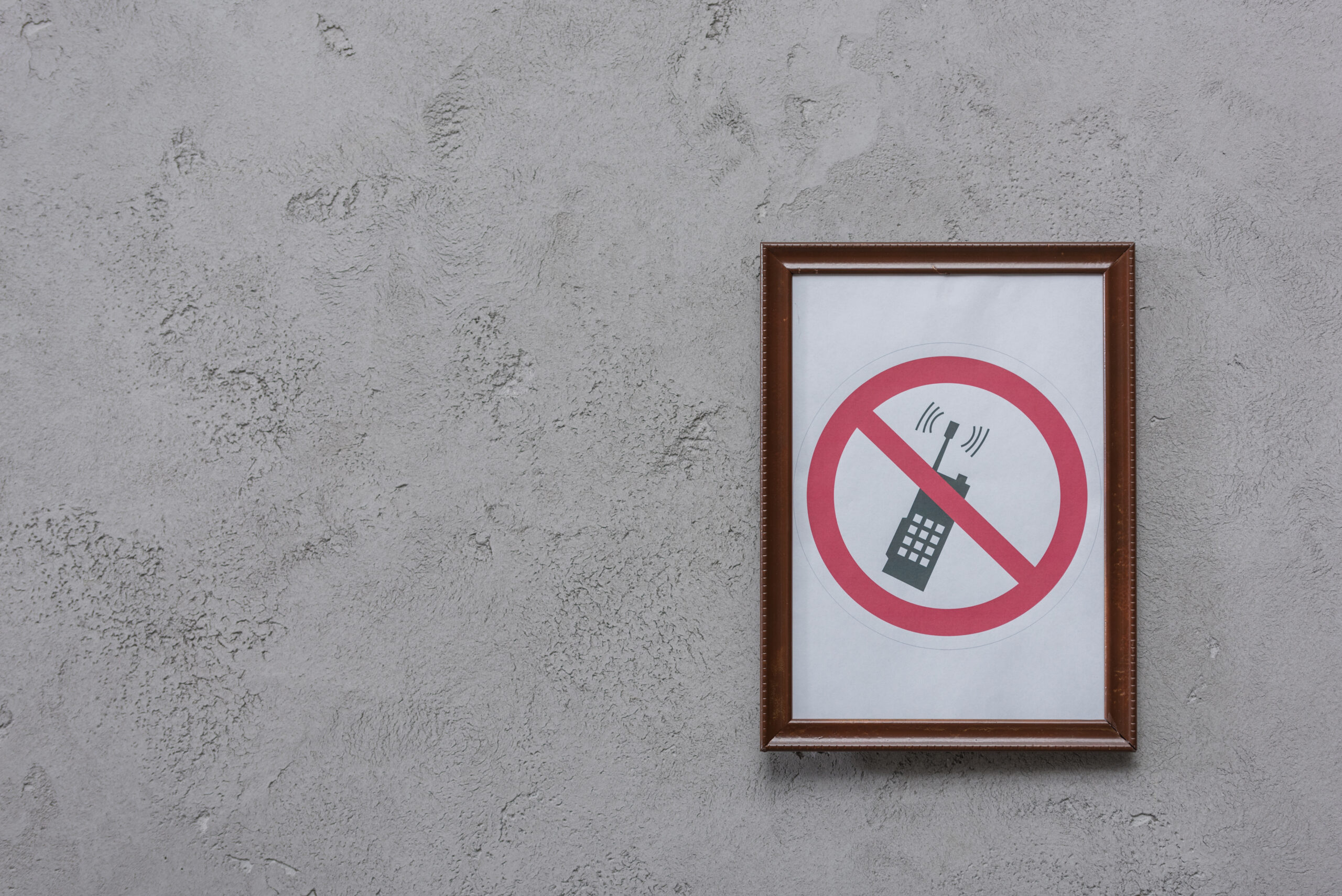
We collect virtual flames for opening an app. We spin a digital prize wheel to win a five-euro discount. Every other piece of software greets us after login with confetti and badges for hitting our “daily goal”. For the past decade, everything on the internet has tried to gamify us.
The market has reached a point you could call dopamine bankruptcy. Customers are completely burned out and fed up with this constant pressure on their reward system. They don’t want to play another game. They’ve figured out that cheap gamification isn’t a perk, it’s a disguised attempt to steal their time. Let’s look at why classic loyalty programs are dying and how to build real, grown-up loyalty in B2B without manipulative tricks.
Fun That Turned Into a Casino
Gamification started out with a noble goal – to make boring, complicated processes (like long onboarding flows) easier to digest. But the concept went bad. Companies started borrowing mechanics from casinos to make customers open their platforms every day, even when they had no real reason to.
The cornerstone of this evil became the so-called “streaks” (unbroken runs of activity). The software pushes you to log in every day. Miss a day, and you lose the status you’ve built for months. In the B2B world, where a client expects your product to save time and deliver maximum efficiency, this hunt for cheap points feels like an insult to their intelligence.
The Backlash Against Manipulation: The Great Uninstall
Customers have seen through the mechanism. They’ve realized that their loyalty to these brands isn’t real – it’s just an artificially triggered fear (FOMO) of losing virtual points that have no value whatsoever in the real world.
The market’s reaction is getting harder to ignore. People are deleting apps and canceling services that treat them like slot machine addicts. The moment your B2B service starts demanding daily interaction just to keep a “loyalty status”, a modern manager will cut it loose. Your tool isn’t supposed to keep them constantly on alert. It’s supposed to solve a problem for them in the background while they focus on real business.
The New Loyalty: Transparency and Peace of Mind
So how do you build customer loyalty if you don’t hand out points and badges? By switching to complete, grown-up transparency. This builds directly on our previous article about the luxury of disconnecting.
Real loyalty today doesn’t come from a client clicking a discount wheel once a month. It comes from an attitude: “Here’s a top-notch product, here’s its fair price. It will do the job for you 100%, and we won’t bother you for no reason.” The best B2B loyalty program today is a product that works flawlessly and extremely fast support. When a client knows that if they hit a problem, a live expert (not a chatbot) on your support team will reply within two minutes, their loyalty to your company is set in concrete for years.
Trade Cheap Dopamine for Respect
Stop trying to turn your company into a game. Your clients play games at home on their consoles when they have time off. At work, they look for competence, reliability and peace of mind. If your marketing and product approach shows respect for their time and mental bandwidth, you’ll get ahead of competitors who still try to win them over with empty promises and a shower of virtual confetti.
Frequently Asked Questions (FAQ)
1. How else can I reward a long-term client, if not with points and gamification?
Use so-called silent discounts and silent perks (silent upgrades). Instead of making the client click through a loyalty portal, simply send them a direct email on the anniversary of their contract: “You’ve been with us for two years now, and we truly appreciate it. We’ve automatically activated this premium feature in your account at no cost – you don’t have to do a thing.” A pleasant surprise like this, which asks nothing of the client, creates enormous gratitude.
2. Are all forms of gamification in business automatically toxic?
No. The bad ones are those that demand artificial interaction with no added value (spinning wheels, collecting meaningless badges). Functional, positive gamification helps the client visualize real progress. For example, a simple progress bar during the rollout of complex software, showing that they’re 70% through the process, is an extremely useful and reassuring tool that doesn’t manipulate anyone.
3. What if turning off the loyalty program makes daily engagement (Daily Active Users) drop sharply?
You have to realize that artificial engagement isn’t money. If a client opened your app every day just to keep their “streak” alive but never took any real business action in it, that’s a vanity metric. It doesn’t increase your MRR (monthly recurring revenue). Stop measuring success by how many times a client “visits” you, and start measuring it by how much value you actually deliver to them.
If you want to thank your clients without points and prize wheels, start with well-timed emails that carry real value. See how we do email marketing that doesn’t annoy people.